The urgency for sustainable living has never been more pronounced in our society, as the effects of climate change continue to become increasingly visible. As individuals and institutions around the world recognize the pressing need to adopt eco-friendly practices, technological innovations are stepping up to play a critical role in saving our planet. This article delves into the multifaceted realm of eco-friendly innovations, exploring how technology is enhancing sustainability across various sectors—from energy and transportation to waste management and agriculture.
1. Renewable Energy Solutions
Renewable energy lies at the forefront of eco-friendly innovations, offering sustainable alternatives to conventional fossil fuels. With advancements in solar panels, wind turbines, and geothermal systems, the world is experiencing a remarkable shift towards clean energy sources. Solar power, for instance, has become more accessible than ever due to improved photovoltaic cell efficiency and reduced manufacturing costs. Modern solar panels can now convert a greater percentage of sunlight into electricity, making them an attractive investment for homeowners and businesses alike.
2. Smart Transportation Systems
Transportation is a major contributor to global carbon emissions, but innovative technologies are revolutionizing this sector. Electric vehicles (EVs) have gained traction as consumers seek greener alternatives to traditional gasoline-powered cars. With advancements in battery technology, EVs are becoming more efficient, offering longer ranges and faster charging times. Companies like Tesla and Nissan are leading the charge in the electric vehicle market, pushing the boundaries of what these vehicles can achieve while contributing to a cleaner environment.
3. Sustainable Agriculture Techniques
The agricultural sector faces immense pressure to increase food production while simultaneously reducing its ecological footprint. Eco-friendly farming technologies are emerging to address these challenges. Precision agriculture uses data-driven tools like drones, IoT sensors, and satellite imagery to monitor crop health, soil conditions, and weather patterns. This enables farmers to apply resources such as water, fertilizers, and pesticides more efficiently, thereby minimizing waste and environmental impact.
4. Waste Management Innovations
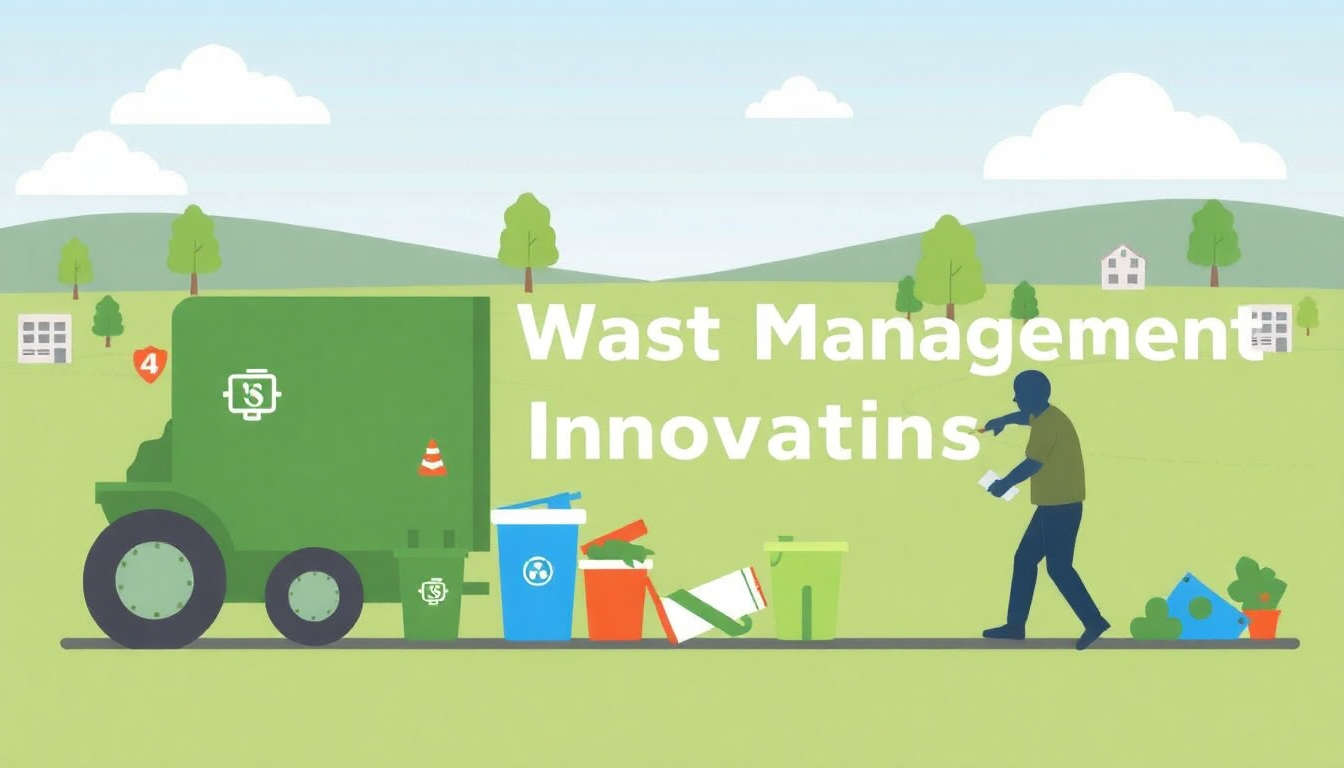
As urbanization continues to escalate, so does the challenge of managing waste sustainably. Innovative waste management technologies are emerging to combat this pressing issue. The rise of recycling robotics, for example, enhances the sorting process at recycling facilities, increasing efficiency and accuracy in separating recyclable materials from the waste stream. These automated systems significantly reduce human error and labor costs, ensuring that more materials are repurposed and kept out of landfills.
5. Water Conservation Technologies
Water scarcity is a critical global issue, with many regions facing acute shortages of clean drinking water. Technology is playing a pivotal role in addressing this challenge through innovations in water conservation. Smart irrigation systems equipped with sensors and timers can optimize water usage in agriculture and landscaping, applying water only when necessary. This reduces waste and promotes sustainable water management practices.
Conclusion: A Sustainable Future Ahead
The integration of technology into eco-friendly innovations is transforming how we approach sustainability across various sectors. From renewable energy and smart transportation to sustainable agriculture and waste management, these advancements are not just improving efficiencies—they are essential for safeguarding our planet’s future. As we advance towards a greener economy, it is imperative for individuals, corporations, and governments to embrace these technologies wholeheartedly. By doing so, we can cultivate a sustainable world that not only meets the needs of the present but also ensures a healthy and thriving environment for future generations.