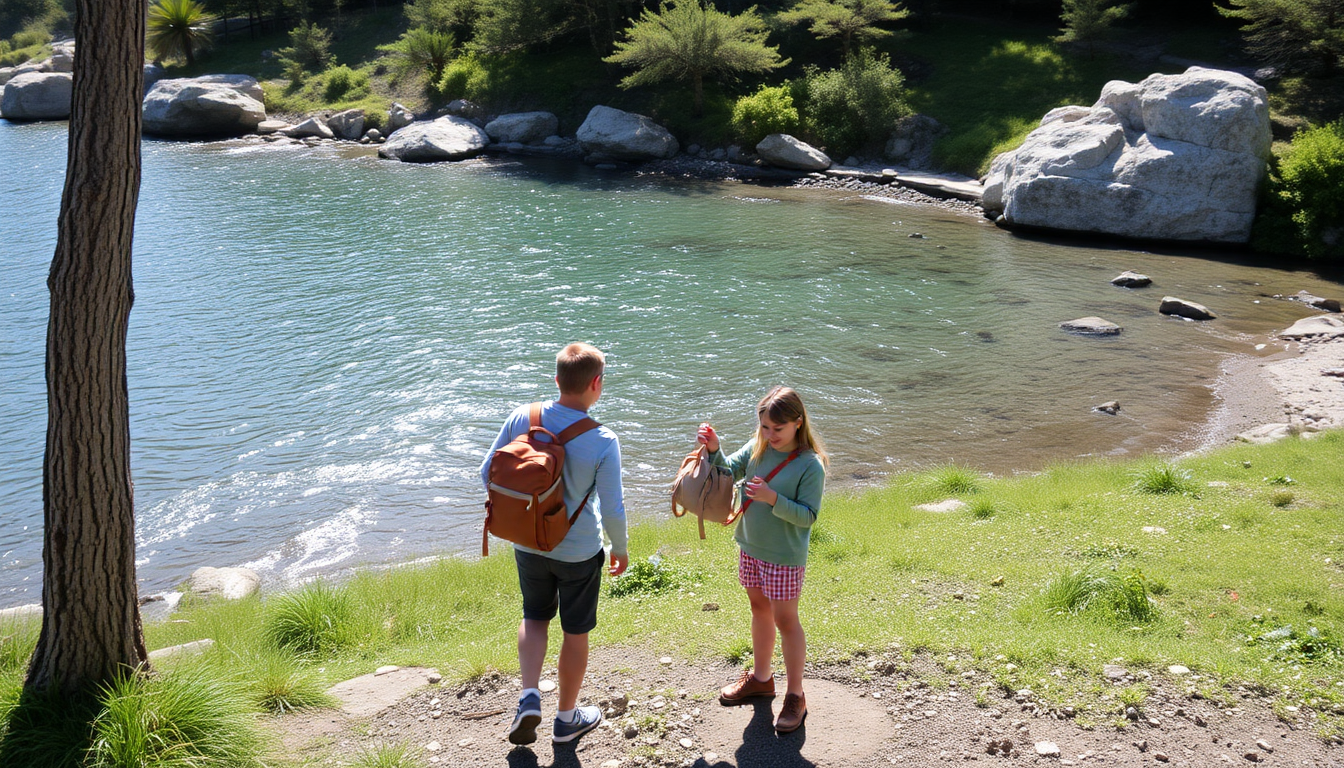
Traveling is an enriching experience that allows you to learn about different cultures, meet new people, and explore the world beyond your doorstep. However, many people hold off on their travel dreams due to financial constraints. In this article, I’ll share my adventure of exploring five countries in just 30 days while keeping my expenses under $1000. This journey was not only about visiting new places but also about how careful planning, budgeting, and finding cost-effective options can open up the world to anyone willing to embrace the adventure.
Planning My Itinerary: Choosing Affordable Destinations
The foundation of any successful trip lies in meticulous planning. To ensure my staying within budget while maximizing experiences, I started by selecting countries where the cost of living was relatively low. Southeast Asia emerged as a prime candidate, with countries like Thailand, Vietnam, Cambodia, Malaysia, and Indonesia offering vibrant cultures and stunning landscapes without breaking the bank. I created a rough itinerary, dedicating about five days in each country, which allowed me ample time to immerse myself in the local culture while still being mindful of transportation costs between destinations.
Finding Accommodations on a Budget
One of the most significant expenses while traveling tends to be accommodation. After some research, I discovered numerous options ranging from hostels to budget guesthouses that provided a comfortable stay without straining my budget. Websites such as Hostelworld, Couchsurfing, and Booking.com became my best friends during this phase. In Thailand, for instance, I found a charming hostel in Bangkok’s bustling Khao San Road area for around $10 a night. In Vietnam, I stayed in a delightful homestay in Hoi An, where I enjoyed home-cooked meals prepared by my hosts, costing only a few dollars more per day. Staying in budget accommodations not only saved money but also opened my eyes to the possibility of meeting fellow travelers from around the world.
Transportation: Making Smart Travel Choices
Getting around in foreign countries can often be daunting, especially if you’re attempting to keep your expenses low. To navigate my five countries efficiently, I opted for a combination of buses, trains, and occasional flights. Buses in Southeast Asia are notoriously affordable, with trips from Ho Chi Minh City to Phnom Penh costing me a mere $15, including border-crossing fees. In Malaysia, I utilized the extensive KTM train system that connected cities at a fraction of the cost of flying. This mix of overland travel not only enhanced the adventure but also provided an authentic glimpse into life in these countries. Moreover, I always kept an eye out for local rideshare apps, which often offered deals that made getting around urban areas both practical and economical.
Eating Like a Local: Delicious and Affordable Cuisine
Another fantastic way to stretch a dollar while traveling is through food. Instead of dining at tourist-centric restaurants that typically charge higher prices, I sought out local eateries and street food vendors that offered tantalizing dishes at incredibly low prices. In Thailand, I indulged in spicy Pad Thai from a street stall for less than $2, while in Vietnam, I feasted on a steaming bowl of Pho for about the same price. Eating like a local not only saved me money, but it also allowed me to savor authentic flavors and experience the culinary heritage of each country in a deeply personal way. Additionally, I made it a point to visit local markets where I could stock up on snacks and fruits, ensuring that my meals remained budget-friendly and nutritious throughout my journey.
Embracing Free Activities and Experiences
While budget constraints often limit the activities travelers can engage in, I discovered that many enriching experiences do not require spending large sums of money. Exploring ancient temples in Cambodia, hiking to waterfalls in Indonesia, and strolling through street markets in Malaysia were all free or inexpensive activities that filled my itinerary with unforgettable moments. For instance, I spent an entire day wandering the magnificent Angkor Wat Temple Complex in Siem Reap, mesmerized by its grandeur, and the entrance fee was modest compared to the memories I made there. Engaging in free walking tours offered in many cities also provided great insight into the local history and culture without a hefty price tag.
Staying Connected and Organized
Effective communication and organization are vital during any travel experience, especially when managing a tight budget. I made sure to have a reliable smartphone with local SIM cards purchased upon arrival in each country, allowing me to access maps, translate languages, and stay connected with fellow travelers. Various apps helped me budget on-the-go; for example, I used travel budgeting apps to track my daily expenses and ensure I remained within my financial limits. Additionally, I did my homework about cultural norms, visa requirements, and local laws, which proved invaluable and saved me from potential legal troubles or unexpected fines.
Reflecting on My Journey: Lessons Learned
This month-long expedition taught me more than just the sights of five different countries; it instilled in me valuable lessons about adaptability, resourcefulness, and the importance of planning. Traveling on a budget doesn’t mean sacrificing quality experiences; rather, it encourages innovation in seeking out alternatives that provide similar satisfaction without the financial strain. By keeping my overall expenses below $1000, I realized that exploring the world is achievable for anyone with the right mindset and determination. Each new destination added layers to my understanding of different cultures, and I returned home not only with souvenirs but a richer perspective on life, affirming that adventure often waits just outside your comfort zone.